
Why Seasonal Tire Care Is Crucial for Safety and Performance
Tires might be the most underrated component of vehicle safety, especially when the seasons change. Whether you’re driving under the blazing summer sun or through icy winter roads, how you maintain your tires can significantly affect traction, fuel efficiency, and overall vehicle handling. Seasonal differences put unique demands on your tires, and ignoring those variations can lead to premature wear or even dangerous driving conditions. That’s why understanding and implementing proper tire maintenance Littleton CO year-round isn’t just recommended—it’s necessary.
During the summer months, high pavement temperatures combined with prolonged driving can cause tire pressure to rise, often leading to overinflation. This can reduce the contact patch with the road, making your vehicle more susceptible to uneven tread wear and poor grip. Hot weather also accelerates the breakdown of tire rubber, especially if the tires are already worn. Regular pressure checks and visual inspections are essential during these months, as even a small oversight can result in blowouts or reduced control, especially during long trips or heavy loads.
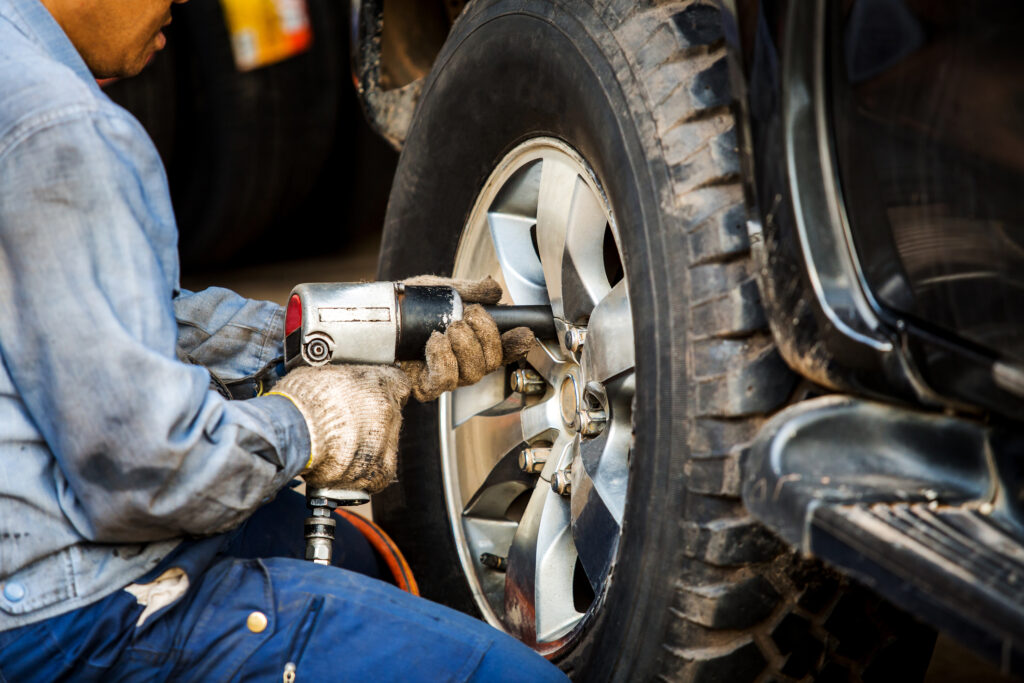
On the other hand, winter introduces a completely different set of challenges. As temperatures drop, so does tire pressure, often below optimal levels. Underinflated tires can decrease fuel economy and worsen traction just when you need it most. Cold weather also stiffens tire rubber, especially if you’re still using summer or all-season tires that aren’t designed for freezing temperatures. Switching to winter-specific tires, if you live in a region with heavy snow or ice, can provide better grip and safety. It’s also important to monitor tread depth during this season, as poor traction in slippery conditions can lead to dangerous outcomes.
Caring for your tires according to the season ensures a smoother, safer ride all year long. From pressure adjustments to tread checks and timely rotations, small steps in tire maintenance can make a big impact. Vehicles that are prepared for the weather perform better and last longer, giving drivers confidence no matter what the forecast brings.