
IHC Analysis Explained in Simple Terms
Unlocking Cellular Secrets Through Targeted Staining
Immunohistochemistry, often shortened to IHC, is a powerful technique used to visualize specific proteins in tissue samples. It plays a major role in both research and clinical diagnostics, offering critical insight into how cells behave, how diseases develop, and how treatment can be guided. At its core, IHC analysis is about precision—targeting proteins using antibodies that are designed to bind to them, and then using special stains or markers to make those proteins visible under a microscope. But while the science is advanced, the purpose is clear: to understand what’s happening at a molecular level inside cells and tissues.
In practical terms, IHC analysis starts with a thin section of tissue mounted on a slide. This could be anything from a biopsy sample to a piece of lab-grown tissue used in research. The sample is then treated with antibodies that are specific to the protein of interest. These antibodies are usually linked to an enzyme or a dye, so when they bind to their target, the protein becomes visible as a colored spot or region. This allows researchers or pathologists to see exactly where the protein is located, how much is present, and how it’s distributed within the tissue.
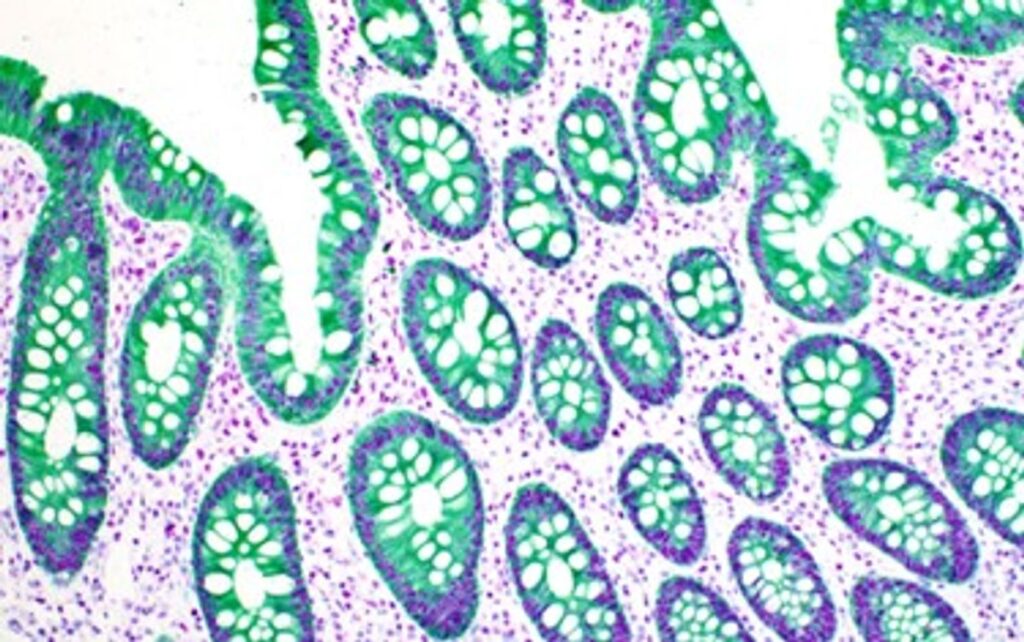
What makes IHC so valuable is its ability to provide spatial context. Instead of just knowing a protein is present, you can see where it appears in relation to other cells, structures, or abnormalities. In cancer diagnostics, for example, IHC helps determine whether a tumor expresses certain receptors, which can guide targeted treatment plans. In neuroscience, it can reveal how proteins are distributed in different brain regions, helping researchers map changes in conditions like Alzheimer’s disease.
IHC analysis combines biology, chemistry, and visual interpretation, making it a cornerstone of modern medical and scientific investigation. It brings together accuracy, specificity, and visual clarity, giving professionals the tools they need to make better decisions, whether in a research lab or a clinical setting. When used properly, IHC doesn’t just show what’s there—it helps explain why it matters.
…